
Ancient Hawaiians used this wetland area for fishing and farming. In the 1950's, the marshland was dredged, permanently transforming the shallow, coastal inlets into the Hawaii Kai marina-like community we have now.
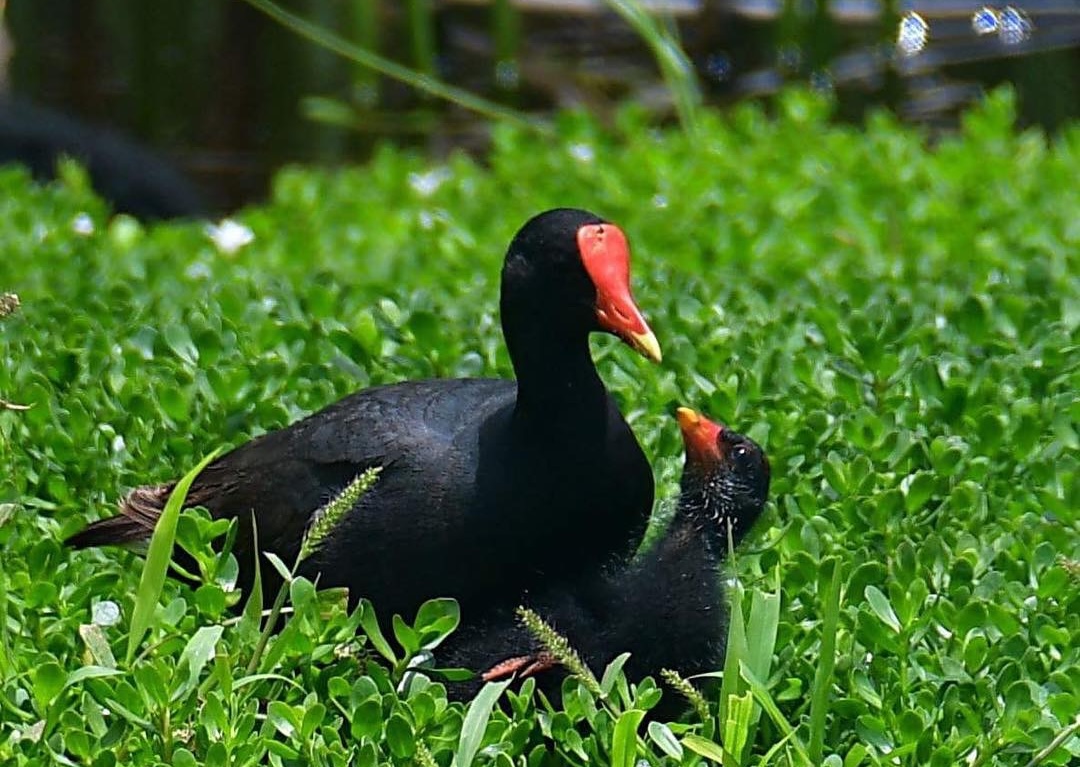
At Keawāwa Wetland, we are working to restore habitats for the native flora and fauna. Hawaiian waterbirds such as the endangered ‘alae ‘ula have been seen foraging amongst the ‘ae‘ae.
<to include: where is the wetland. "co-located" with Hāwea Heiau Complex>
Livable Maunalua Hui and Keawāwa Wetland
Explore our timeine to see how Keawāwa Wetland has evolved.
Livable Maunalua Hui Formed
Originally founded as Livable Hawaii Kai Hui to protect cultural sites, wetlands, and open spaces.
Hāwea Heiau Pahu Ceremony
Gathering held to protect the cultural site; conversations begin to acquire the land.
CWNL Grant Applications
TPL submits applications to CWNL & State Legacy Land on behalf of LMH.
Land Acquisition
LMH acquires the Hāwea Heiau Complex and Keawāwa Wetland.
NRCS Stewardship
Active management of Hāwea Heiau and Keawāwa Wetland begins with NRCS support.
Conservation Easement
Permanent protection secured through a conservation easement.
Volunteer Workdays
Monthly "Second Saturday" community volunteer workdays begin.
Dryland Forest Started
Native dryland forest restoration initiated with native plant species.
Hale Built
Construction of Hale ʻIke Ola o Maunalua, serving as a gathering place for community discussions.
Māla Lapaʻau me Lei
Māla Lapaʻau me Lei garden established, providing native plant materials for cultural practices.
Birds of Keawāwa Wetland
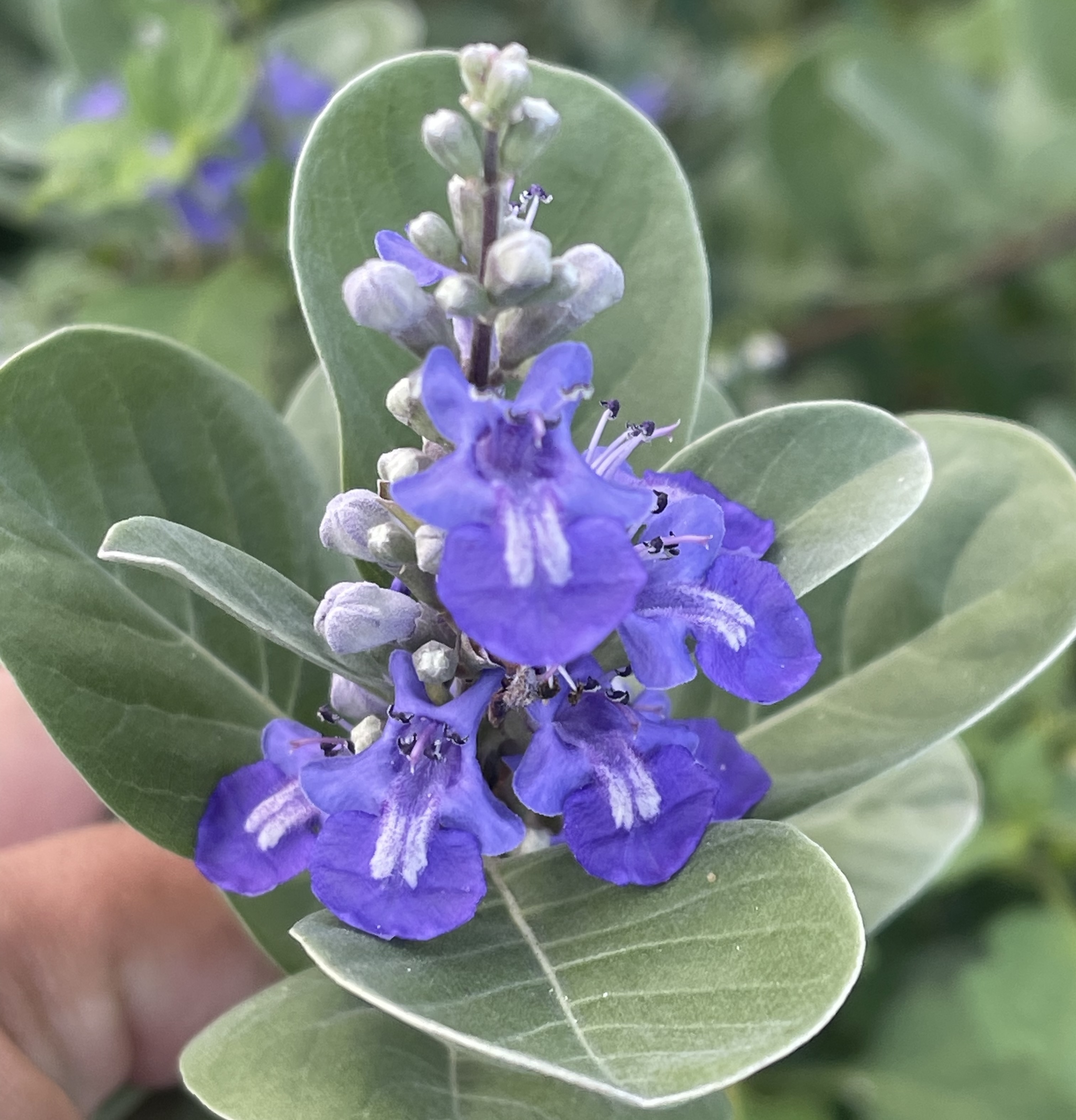
Plants of Keawāwa Wetland
Site Restoration and Enhancement
- Defining and caring for the Hāwea Heiau Complex under the guidance of cultural advisors
- Removing invasive trees, including koa haole and kiawe
- Restoring native dryland forest and coastal species such as ʻaʻaliʻi,wiliwili, maʻo, naupaka, kou, milo, kukui, and pōhinahina
- Protecting existing native vegetation and encouraging naturalregeneration from the site's seed bank
- Wetland enhancement for the ‘alae ‘ula and other native waterbirds
- Replacing invasive wetland plants with native species, includingʻaeʻae, kaluhā, kīpukai, puʻu kaʻa, mauʻu ʻakiʻaki, and pōhuehue
- Establishing educational gardens, including a Dryland Forest and Māla Lapaʻau me Lei
- Conducting regular Water Quality tests and Predator Control actions
